Experience the Grace and Historical Significance of Balboa Park
Balboa Park, a cultural anchor of San Diego, exhibits a deep history combined with extraordinary architectural qualities. Constructed in 1868, the park shows noteworthy edifices that underscore its heritage value, especially from the 1915 Panama-California Exposition. Travelers can find a collection of museums and landscaped grounds, each delivering exceptional moments. Yet, there is so much more to find about the park's secret marvels and community programs that enrich its spirited character.
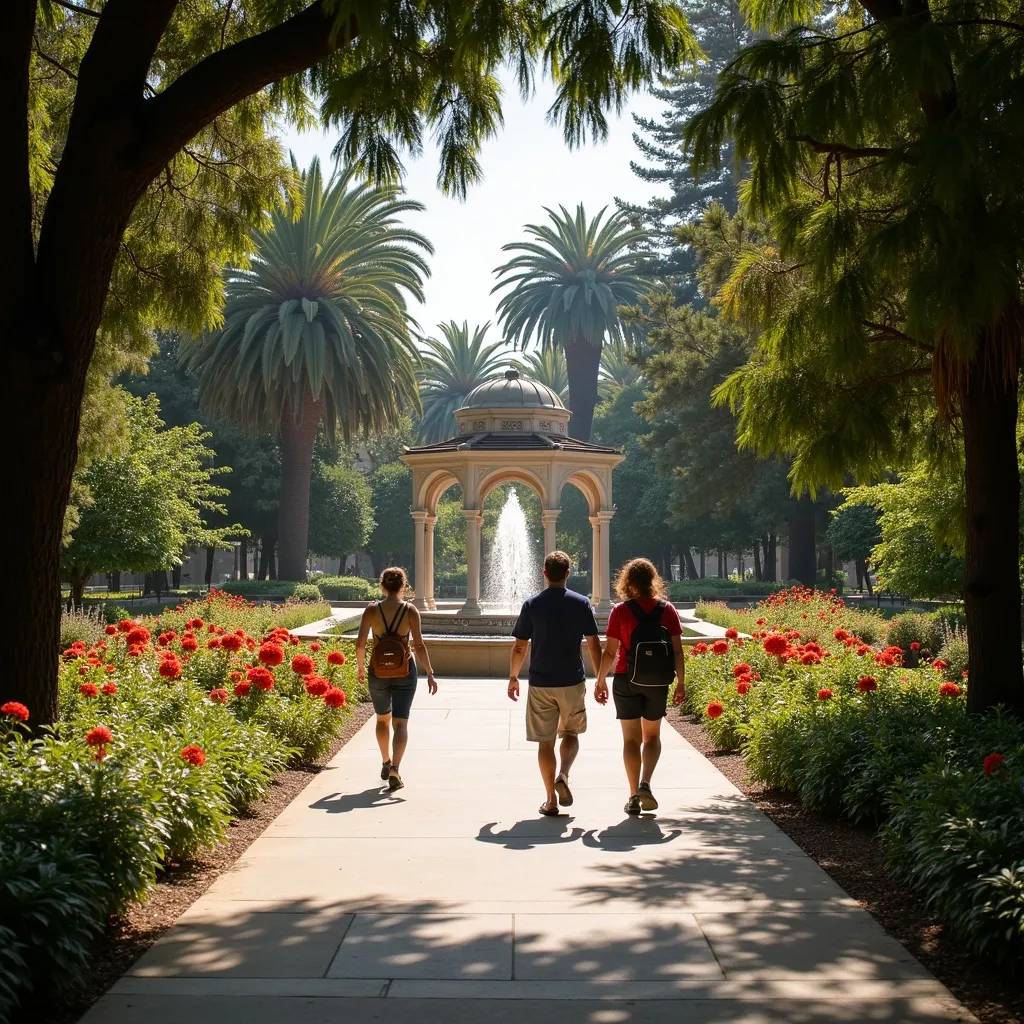
The Cultural Relevance of Balboa Park
Balboa Park, established in 1868, serves as a significant cultural and recreational destination with substantial historic value in San Diego. Originally designated as a public park, its development intensified during the early 20th century, particularly with the 1915 Panama-California Exposition, which highlighted San Diego's ambitions and growth. The exposition spurred the erection of several landmark buildings, which largely showcase Spanish Colonial Revival architecture, a defining feature of the park.
Over the years, Balboa Park has served as a setting for numerous cultural events and festivals, emphasizing its role as a public meeting area. The park's rich history is also interwoven with the narratives of native populations and original inhabitants, reflecting the varied heritage of San Diego's history. Today, Balboa Park stands not only as a leisure location but also as a representation of the city's development through time, embodying its artistic legacy and commitment to public spaces.
Leading Museums to Wander Through in Balboa Park
While exploring the Balboa Park map vibrant landscape of Balboa Park, visitors come across an impressive array of museums that serve diverse interests. The San Diego Museum of Art stands out with its extensive collection of European and American art, offering a glimpse into various artistic movements. Meanwhile, the Natural History Museum captivates audiences with its rich displays of fossils, gemstones, and live animal exhibits, perfect for families and nature enthusiasts alike.
For those captivated by science, the Fleet Science Center provides interactive exhibits and an IMAX theater, making education enjoyable and entertaining. The Museum of Photographic Arts showcases stunning visual narratives, while the Timken Museum of Art presents a closer encounter with its European and American masterpieces. Each museum contributes to the cultural tapestry of Balboa Park, ensuring that visitors depart with a deeper appreciation for art, science, and history.
Balboa Park's Architectural Highlights
Balboa Park offers a remarkable array of architectural gems, distinctly displaying the celebrated Spanish Colonial Revival style. This distinctive character is accompanied by a diverse mix of architectural elements that showcase the park's rich history. As visitors explore, they encounter structures that share narratives of cultural significance and artistic innovation.
Renowned Spanish Colonial Revival
Situated in the heart of San Diego, the architectural features of Balboa Park represent the iconic Spanish Colonial Revival style, which emerged in the early 20th century. Defined by characteristic arches, tile roofs, and intricate stucco facades, this architectural movement is inspired by Spain’s rich heritage. Key buildings, such as the California Tower and the Museum of Us, illustrate the ornate details and vibrant colors that exemplify the style. The park’s architecture blends seamlessly with lush gardens and peaceful plazas, creating a picturesque setting that encourages exploration. Each building tells a story of cultural significance, demonstrating the city’s dedication to preserving its historical roots while honoring the beauty of Spanish-inspired architecture.
Diverse Building Styles
As guests explore Balboa Park, they discover a stunning array of architectural styles that reflect the varied cultural influences shaping San Diego. The park showcases the intricate details of Spanish Colonial Revival, characterized by its textured walls and vibrant tile work. In comparison, the elegant neoclassical structures, such as the San Diego Museum of Art, offer a view into European architectural trends. Modern styles are visible in the smooth lines of the Mingei International Museum, while the whimsical creations of the Old Globe Theatre echo Shakespearean influences. Each building tells a story, weaving together a rich collection of history and culture. This design diversity not only improves the park's beauty but also deepens its historical importance.
Explore Balboa Park's Beautiful Gardens
The spectacular collection of gardens within Balboa Park presents a diverse tapestry of flora, inviting visitors to immerse themselves in nature's beauty. Among the most remarkable is the Botanical Building, a Victorian-era structure containing an impressive collection of tropical plants and orchids. Nearby, the Rose Garden boasts over 1,600 vibrant rose bushes, forming a fragrant oasis that captivates the senses.
The Japanese Friendship Garden, with its serene koi ponds and carefully groomed gravel, offers a tranquil escape, showcasing traditional Japanese landscape design. Meanwhile, the Desert Garden highlights arid plants from around the world, demonstrating the adaptability of life in harsh conditions.
Each garden details a singular narrative, helping to the park's overall charm and ecological diversity. In unity, they furnish an valuable journey, granting people to appreciate the nuanced bond between the natural setting and artistic expression within this historic urban landscape.
Fun Activities for All People in Balboa Park
Numerous activities await guests of all ages in Balboa Park, ensuring a unforgettable experience for everyone. Families can explore interactive exhibits at the San Diego Natural History Museum or enjoy the intriguing marine life at the Birch Aquarium. Art enthusiasts can wander through the San Diego Museum of Art, while children delight in the lively playgrounds scattered throughout the park.
For individuals in search of external exploration, the park provides walking paths and scenic spots perfect for picnics. The vintage carousel and miniature train give reminiscent fun for younger visitors. Also, yearly celebrations, such as nature performances and community celebrations, present the park's lively local energy.
Visitors are able to also enjoy guided tours, which shed light on the park's rich history and architecture. With such a multifaceted assortment of activities, Balboa Park really serves the desires and delight of all who explore its picturesque grounds.
Tips for Navigating Balboa Park
Wandering through Balboa Park can often be an enjoyable challenge for new visitors. To improve their experience, it is advisable to start at the Visitor Center, where guides and materials are easily accessible. These materials offer useful insights into the park's layout and features. Visitors should focus on their key destinations, as the park spans over 1,200 acres and offers many gardens, museums, and trails.
Choosing to visit on weekdays can help avoid crowds and allow a more leisurely exploration. Comfortable shoes are a must, considering the park's uneven terrain. Using the tram service is a practical way for visitors to cover more ground efficiently. Additionally, it’s wise to check the park’s calendar for any limited-time displays or installations. Finally, taking time to wander off the beaten path can yield unexpected discoveries, enriching the overall experience at Balboa Park.
Cultural Events and Public Involvement in Balboa Park
The cultural events and community engagement at Balboa Park are defined by vibrancy, where diverse programs celebrate art, history, and local traditions. The park functions as a dynamic hub, featuring numerous festivals, performances, and workshops that bring residents and visitors alike. Annual events like the Balboa Park December Nights present the rich cultural tapestry of San Diego, highlighting live music, dance, and food from various communities.
Likewise, Balboa Park strengthens community participation through its public programs, encouraging engagement from all demographics. Programming focused on education, often developed in partnership with local academic institutions, increase consciousness of the park's cultural significance and the artistic expression. Through these ventures, Balboa Park not only preserves its legacy but also develops a sense of community connection among its visitors. This commitment to cultural expression positions Balboa Park as a significant element of San Diego's core character, enriching the lives of those who visit and call the area home in the locale.
Often Asked Questions
What Are the Access Hours of the Park Throughout the Year?
Balboa Park normally opens each day at 9 a.m. and shuts down at 5 p.m. in winter, stretching hours to 6 p.m. in spring and summer, with particular attractions having varied schedules during the year.
What is the Entrance Fee for Entering Balboa Park?
Balboa Park offers free admission for standard access. Some particular attractions within the park might require individual fees. Visitors are advised to check each institution's rules for comprehensive pricing information.
Can Pets Enter Balboa Park?
Pets are typically permitted in Balboa Park, provided they are leashed. However, specific areas and attractions may have restrictions. Visitors should review park rules to ensure a enjoyable visit for everyone.
How Do I Find Parking Close to Balboa Park?
Parking near Balboa Park can be located in numerous lots and on nearby streets. Visitors should search for official parking spaces and contemplate using parking apps for live availability to reduce congestion during peak times.
When Should You Plan Your Trip to Balboa Park? Best Timing
The finest time to see Balboa Park is during weekdays, especially in the early hours or late afternoon. These times present less congestion, pleasant weather, and ideal opportunities to wander through its attractions and gardens peacefully.